
Richard Greenham
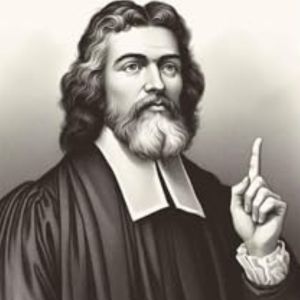
Richard Greenham was one of the early English Puritans whose greatest influence was not in public controversy, but in faithful pastoral ministry. Educated at Cambridge and later serving in the parish of Dry Drayton, Greenham became known as a “physician of the soul.” He gave himself to preaching, counseling, and guiding believers through spiritual doubt and distress.
He was a shepherd for troubled souls. His ministry centered on caring for afflicted consciences—those wrestling with assurance, temptation, and spiritual despair. He understood Paul’s pastoral heart: “Comfort the feebleminded, support the weak, be patient toward all men.” (1 Thessalonians 5:14). He taught that assurance rests not on fluctuating feelings but on Christ’s finished work: “We must not measure God’s love by our feeling, but by His promise.” This reflects the truth of 1 John 5:13 — “These things have I written unto you… that ye may know that ye have eternal life.” Greenham constantly directed struggling believers away from self-examination that led to despair and toward Christ alone: “The foundation of our salvation is not in ourselves, but in Christ alone.” (See Ephesians 2:8–9.)
Greenham helped shape what later became known as experiential Calvinism — the emphasis that true faith must be inward, heartfelt, and transforming. He believed doctrine must reach the conscience and shape daily life. James 1:22 guided this emphasis: “But be ye doers of the word, and not hearers only…” He once said: “The afflicted conscience is the school wherein God teacheth His children.” In other words, God uses trials and inward struggles to deepen faith (Romans 5:3–5).
Greenham stressed holy living as the fruit of saving grace. He encouraged careful Lord’s Day observance and disciplined spiritual habits—not as legalism, but as gratitude for redemption (John 14:15). He believed that pastoral ministry must combine: careful preaching, personal counsel and prayerful shepherding. This model strongly influenced later Puritans such as William Perkins and Richard Sibbes.
In one of the books “Practical Divinity: The Works and Life of Revd Richard Greenham”, he suggests eight ways to read scripture. (1) With Diligence – read Scripture more than we read anything else (2) With Wisdom – we must be wise in the choice of matter, order and time (3) With Preparation – must approach with a reverential fear of God (4) With Meditation – meditation makes what we read our own (5) With Conference – conversation with ministers or other believers (6) With Faith – faith is the profitable reception of the Word (7) With Practice – practice is the best way to learn. (8) With Prayer – Prayer must precede, accompany and follow our reading.
Quotes
“The foundation of our salvation is not in ourselves, but in Christ alone.”
“The afflicted conscience is the school wherein God teacheth His children.”
“We must not measure God’s love by our feeling, but by His promise.”
Writings
The Works of Richard Greenham (collected sermons and treatises, published after his death)
A Treatise of the Sabbath
Comfort for an Afflicted Conscience (often included within his collected works)
More Puritan Summaries