
Arthur Dent
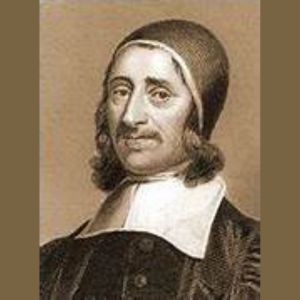
Arthur Dent (1553-1603) was an English Puritan pastor whose ministry centered on making the gospel clear, practical, and urgent for everyday people. Serving in South Shoebury, Essex, Dent became widely known not through academic writings, but through simple, direct works aimed at guiding ordinary believers toward salvation and holy living.
Dent’s greatest contribution to Puritan history is his ability to communicate deep theological truths in plain language. At a time when many writings were complex and scholarly, Dent’s works were accessible and widely read—especially The Plain Man’s Pathway to Heaven, which became one of the most popular devotional books of its day. His emphasis on repentance, assurance, and the necessity of true faith helped shape the devotional life of early English Protestants.
His ministry reflects the Puritan priority of heart transformation: “Examine yourselves, whether ye be in the faith” — 2 Corinthians 13:5. Dent urged believers not to rest in outward religion, but to seek genuine conversion and a living relationship with Christ.
Dent had key themes throughout his teachings: the necessity of personal repentance and faith, assurance of salvation grounded in Christ, the danger of nominal Christianity, and the clarity and sufficiency of Scripture. Dent lived out this verse by bringing biblical truth to the “simple” in a way they could grasp and apply.
Arthur Dent’s legacy reminds us that truth does not need to be complicated to be powerful. His life and writings echo the call of Christ: “I am the way, the truth, and the life: no man cometh unto the Father, but by me.” — John 14:6
In a world full of distractions and surface-level faith, Dent points us back to a simple, searching question: Are we truly walking the narrow path that leads to life?
Quotes
“It is not enough to seem a Christian, but to be one indeed.”
“Many walk in the way to heaven, but few walk in heaven’s way.”
“A man may go far in profession, and yet fall short of salvation.”
Writings
The Plain Man’s Pathway to Heaven (1601)
his most influential work, presenting salvation in dialogue form
The Ruin of Rome – a critique of Roman Catholic doctrine
A Sermon of Repentance – emphasizing the urgency of turning to God
More Puritan Summaries