
Nicholas Bownd
Nicholas Bownd was an English Puritan pastor and theologian best known for shaping the Puritan understanding of the Christian Sabbath. Living during the reign of Elizabeth I, Bownd ministered at a time when the Church of England was still defining its identity after the Reformation.
His greatest contribution was giving theological clarity and biblical defense to what later became known as “Puritan Sabbatarianism.” Through careful exegesis, he argued that the Fourth Commandment remained morally binding on Christians and that the Lord’s Day should be observed as a holy day of rest and worship.
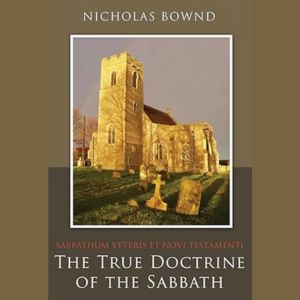
Three reasons Bownd is important in Puritan history. First, he systematized the puritan view of the Sabbath. In 1595, Bownd published The True Doctrine of the Sabbath. This work argued that the Fourth Commandment (Exodus 20:8–11) is moral and perpetual, the day has changed from the seventh day to the first (Acts 20:7; Revelation 1:10), and The Lord’s Day is to be devoted to worship, mercy, and necessary duties—not ordinary labor or recreation. Bownd’s careful biblical reasoning deeply influenced later Puritans in England and New England. His work helped form the theological soil that would eventually shape the Sabbath teaching reflected in the Westminster Confession of Faith (1646).
Secondly, Bownd believed doctrine must shape life. The Sabbath was not legalistic restraint but spiritual blessing. He saw it as a weekly means of grace—a day for: public worship, catechizing families, meditation and works of mercy.
Thirdly, he helped define Puritan distinctiveness. The Elizabethan Church allowed many recreations on Sunday. Bownd’s teaching created a clearer distinction between: cultural christianity and scripturally regulated worship and life. His writings were controversial and even suppressed at points, but they profoundly shaped English and American Puritan practice.
Quotes
“The Sabbath is moral and perpetual, and therefore bindeth us as well as the Jews.”
“The Lord’s Day must be wholly spent in God’s service.”
“The rest of this day is not for idleness, but for holy exercises.”
Writings
The True Doctrine of the Sabbath (1595; expanded edition 1606)
Sermons upon the Ten Commandments
Various pastoral and catechetical writings (many circulated in sermon form)
More Puritan Summaries